

December rolls around and suddenly the world is shouting:
“New Year! New You! New goals! New systems! New planners you’ll definitely use this time!”
But before we rush into resolutions and fresh intentions, I want to invite you into a different kind of moment — a pause. For many ADHDers, reflection can feel… meh.
Uncomfortable. Boring. Maybe even dangerous — like stepping into a room full of unfinished projects, lost notebooks, and that plant you definitely intended to keep alive. If even the idea of reflection gives you a case of the internal wiggles, you’re in good company. It often brings up guilt about “should haves” and “why didn’t I?” And for the ADHD brain, reflection can spark overthinking or self-criticism rather than clarity.
But here’s the twist:
Reflection, when done the right way, can actually fuel dopamine — and your future momentum.
So instead of diving headfirst into 2026 planning mode, let’s take a kinder, more empowering look at where you’ve been… and how far you’ve already come.
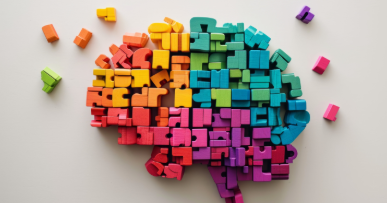
Why ADHDers Avoid Reflection
Let’s name it so we can tame it.
Here are a few totally normal ADHD reasons reflection gets the side-eye:
Past “failures” feel heavier
A neurotypical person may look back and think:
“I didn’t finish everything, but I tried!”
An ADHD brain goes straight to:
“I should’ve done more. That was a mess. Why am I like this?”
Our negativity bias gets loud — very loud.
Shame shows up uninvited
Reflection can shine a flashlight on the places where our executive function tripped over its own shoelaces. It can feel easier to look away and keep moving.
We struggle to access memories
ADHD brains store experiences like a junk drawer: everything is somewhere… but not necessarily where you’d expect.
It can be — dare I say — boring
Sitting still and thinking deeply without stimulation? Ew. Hard pass.
So, we avoid it.
We skip the reflection and jump straight into pressure-filled resolutions.
But what if reflecting wasn’t about replaying mistakes… and instead became a celebration of progress?
The Science of Reflection and Dopamine
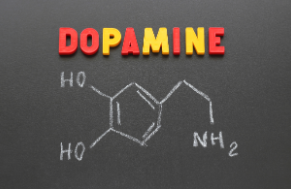
Here’s where it gets good.
When we intentionally look back and notice:
What went well
What we learned
Strengths we used
Challenges we navigated
…our brain’s reward pathways light up.
That creates dopamine — the motivation chemical ADHD brains are often low on.
Celebrating wins (big or teeny tiny) reinforces:
- “Hey, I can do things.”
- “Progress happened, even when it didn’t feel like it.”
- “Maybe I’m actually amazing?”
This builds:
- Motivation
- Confidence
- Momentum for future goals
And that motivation becomes fuel for forward movement — notguilt glue that keeps us stuck.
Reflection done right = a dopamine boost disguised as self-awareness.
How to Create an ADHD-Friendly Reflection Ritual
Forget long journaling sessions or color-coded scrapbooks (unless that sparks joy for you — then please proceed with your markers
An ADHD reflection ritual should be:
- Short
- Positive
- Sensory or visual
- Low-pressure
- Fun (or at least not boring)
Here are some easy ways to make it work:
Choose a time and vibe
Make it cozy: a favorite mug, a candle, a comfy blanket.
Your brain loves sensory treats.
Use prompts that spark curiosity
Try a few of these:
- What did I learn about myself this year?
- When did I feel most alive or excited?
- What am I proud of handling — even imperfectly?
- What made me laugh… or survive?
- What’s something I handled better than last year?
- What surprised me about myself?
- What tiny victories deserve a confetti cannon?
If words feel hard, use quicker formats:
Go visual
- Sticky note timeline — one win per note
- Brain dump doodles — sketches count!
- Voice memos — talk to yourself like the creative genius you are
- Photo scroll reflection — screenshots and selfies tell stories too
Keep your focus on strengths
Instead of:
“I didn’t finish X project”
Try:
“I learned what I needed to move forward differently”
We don’t do shame here. We do growth.

Turn Reflection into Fuel for 2026 Goals
Once you’ve gathered some clues about what actually energized or supported you this year… use that wisdom. Don’t shove it in a drawer.
Reflection → Patterns → Insight → Strategy
Ask yourself:
- What strategies helped me follow through?
- What environments or support systems helped me thrive?
- What drained my energy?
- What strengths did I use most often?
- Which goals actually matter to who I am becoming?
Then turn those answers into future-friendly intentions:
- Align with what motivates you
- Build in accountability
- Use your strengths (not just “shoulds”)
- Remove unnecessary obstacles
- Choose goals that feel meaningful — not like punishment
- You’re not wiping the slate clean for 2026.You’re bringing everything you’ve learned with you.
Final Thought
Reflection doesn’t need to be a dramatic montage set to inspiring music… though feel free to add that if you want.
It’s simply a moment to recognize:
- What you carried
- What you overcame
- How you grew
- And who you’ve become
You’ve done a lot this year — probably more than you realize. The fact that you’re here, reading this, shows you’re invested in your life, your growth, and your future. So as you wrap up this year, remember:
Reflection isn’t about replaying mistakes — it’s about recognizing how far you’ve climbed.
And you, my friend, are already so much further up the mountain than you think.