

How to Help an ADHD Brain Power Down—Without Losing Your Mind
If you’ve been following along, this post is part of my Back to Basics: Foundations for ADHD Management series—a return to the core supports that help ADHD brains function at their best. Sleep, nutrition, movement, mindfulness, time in nature… none of these are flashy or new, but they are powerful. And as we step into a new year, January is a perfect time to revisit these foundations and strengthen the base that everything else rests on. Because no planner, app, or productivity hack can hold things together if the foundation underneath is cracked.
(You can read Part One: Why Your Brain Won’t Power Down—and Why Sleep Matters More Than You Think here.)
In Part One, we explored why sleep matters so much for ADHD, why ADHD and sleep don’t always play nicely together, and how chronotypes and revenge bedtime procrastination can sabotage even the best intentions.
Now let’s get practical. Because knowing why you’re tired is validating—but actually doing something about it (without resorting to duct tape for your eyelids) is where real change happens.
The good news? You don’t need perfect sleep hygiene or monk-level discipline. Small, ADHD-friendly tweaks can make a real difference.
First, a Reframe: Rest Is More Than Sleep
Before we jump into bedtime routines, let’s zoom out.
Many adults with ADHD are deeply under-rested—even when they technically get “enough” hours of sleep. Why? Because their nervous systems rarely get a chance to power down during the day.
If your days involve:
- constant decision-making
- emotional regulation
- masking, over-functioning, or pushing through fatigue
- being “on” from morning until night
…then bedtime often arrives with a brain that’s wired and exhausted. That’s when second winds, racing thoughts, and “just one more scroll” show up.
Better sleep doesn’t start at night—it starts with how supported and regulated you feel all day long.
Step 1: Create a Sleep-Friendly Environment

Think of your bedroom as mission control for rest. The environment does a lot of the work for you—especially when your brain resists slowing down.
Light
Keep it dark. Blackout curtains, an eye mask, or even turning your phone face-down can help signal melatonin to do its job.
Noise
White noise machines, fans, or calming sound apps can drown out distractions. Unless you live in a New York apartment where your neighbor’s salsa playlist doubles as your lullaby—then noise-canceling headphones may be the real MVP.
Temperature
Cooler is better (around 65–67°F). If thermostat negotiations are becoming a marital issue, separate blankets are cheaper than couples therapy.
Comfort
Pillows, mattresses, and cozy blankets matter. And yes—that pancake-flat pillow you’ve had since college deserves a dignified retirement.
Step 2: Create a “Landing Strip,” Not a Hard Stop

ADHD brains struggle with abrupt transitions. So instead of expecting yourself to stop everything and magically fall asleep, aim for a wind-down runway.
A bedtime routine doesn’t have to be long or fancy. It just needs to be predictable.
Choose 2–4 low-effort activities and do them in the same order each night:
- shower → cozy clothes → light reading
- gentle stretching → tea → calming music
- pack your bag → dim lights → familiar podcast
Over time, repetition—not perfection—teaches your brain: this sequence means we’re done for the day.
Step 3: What to Avoid Before Bed (a.k.a. Reduce Turbulence)

Think of bedtime like prepping for takeoff—you want a smooth runway, not chaos.
Try to limit:
- Late-day caffeine. That “harmless” 4 p.m. iced coffee may still be partying in your system at midnight.
- Overstimulation. Thrilling novels, intense shows, heated conversations, and TikTok rabbit holes wake the brain right back up.
- Heavy meals. A giant burrito before bed may taste glorious, but your stomach will be doing gymnastics all night. Light protein or sleep-friendly snacks work better.
- Endless scrolling. New content = novelty = dopamine = “why am I still awake?”
Step 4: Use Dopamine On Purpose
One reason ADHD brains resist sleep is simple: sleep feels boring.
Instead of fighting that, work with it.
Try:
- familiar audiobooks or podcasts
- the same low-stakes show you’ve already seen
- reading something mildly engaging but not thrilling
Predictable = calming. New = activating. Choose wisely.
Step 5: Build an ADHD-Friendly Wind-Down Routine

Think of your routine like closing tabs on your mental browser—one by one.
Helpful options:
- Gentle movement. Stretching, yoga, or a short walk (not a HIIT class).
- Warm shower or bath. Helps cue sleep and prevents doom-scrolling by default.
- Relaxation practices. Breathing exercises, guided meditations, or progressive muscle relaxation. If “mindfulness” makes you cringe, think of it as hitting calm mode.
- Creative calming. Doodling, knitting, coloring—quiet engagement without overthinking.
- Brain dump journaling. Write tomorrow’s top 3 priorities so your brain doesn’t rehearse them at 1 a.m.
Step 6: Keep a Consistent Schedule (Within Reason)
Yes, this one stings—but consistency matters more than early bedtimes.
Wildly different sleep schedules create circadian whiplash. Aim for:
- a realistic bedtime/wake time most days
- a consistent wake-up time, even if bedtime varies
And whenever possible, respect your chronotype. You’re not lazy—you’re wired differently.
Step 7: ADHD Sleep Hacks That Actually Help
Because simplicity wins.
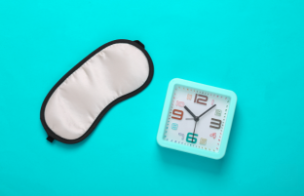
Wind-down alarms. Time blindness is real. Let technology help.
- Prep early. Pajamas, dim lights, bedtime setup—do it before exhaustion hits.
- Make it rewarding. Pair bedtime with something enjoyable. Dopamine belongs here.
- External accountability. A “sleep buddy,” habit tracker, or supportive group can help bedtime feel less lonely and more doable.
The Takeaway
Improving sleep with ADHD isn’t about willpower or perfection. It’s about experimenting, noticing what helps, and building systems that fit your real life—not an Instagram fantasy routine.
Sleep may never be effortless, but with the right strategies, it can shift from constant struggle to a reliable(ish) ally. And your focus, mood, memory, and emotional regulation will absolutely feel the difference.
So tonight, instead of scrolling out of revenge, consider this:
your future self—the one who remembers where they parked and doesn’t snap at innocent bystanders—will thank you.
Sweet dreams. And may your ADHD, your chronotype, and your alarm clock eventually learn to coexist peacefully.💙